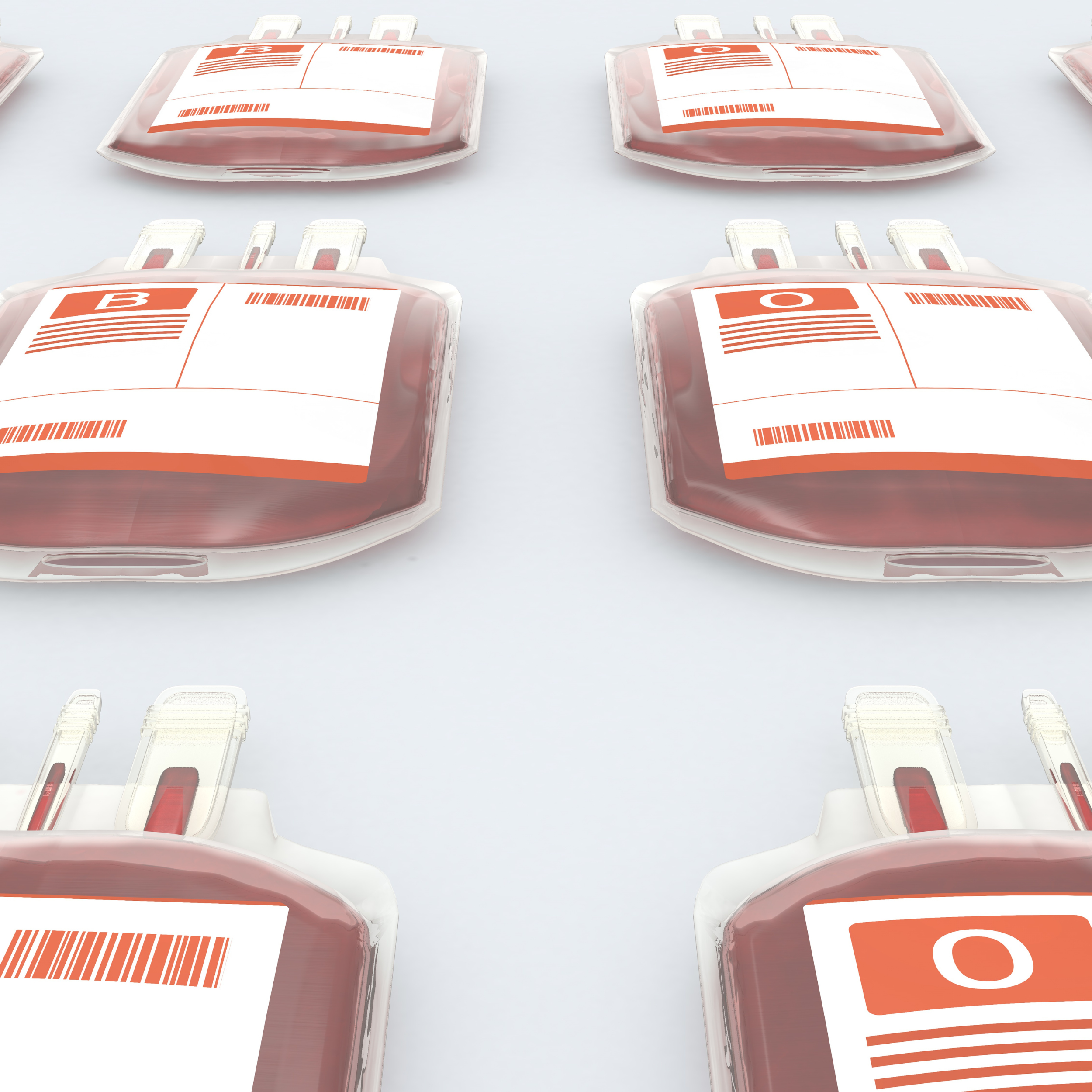
In 2019 the SCHEER (Scientific Committee on Health, Environmental and Emerging Risks) Guidelines on the benefit-risk assessment of the presence of phthalates in certain medical devices covering phthalates which are carcinogenic, mutagenic, toxic to reproduction (CMR) or have endocrine-disrupting (ED) properties were first released.
On the 14th of June 2024, five years after the original release, an updated version has been adopted. The changes implemented in this new version are based on the experiences, guidelines and literature searches that have been compiled in the last five years.
The Following Sections of the Original Guidance Have Now Been Updated Within the 2024 Version:
The Scope: the scope section has been expanded to also refer to information on the use of the guidelines.
Introduction: expanded to cover the chemical description of substances of the group of phthalates as esters of phthalic acid, and recent regulatory developments.
Methods: a section was included stating the sources of evidence used and the use of the Weight of Evidence (WoE) approach of the SCHEER, while considering the literature search performed.
Framework:
-
- Step 1 description and characterization of the composition of the medical device has been updated. Additionally, supplementary information with reference to (EN) ISO 10993-18 was included.
- Regarding the evaluation of alternatives in the non-phthalate scenario, the terminology of “potential relevant” candidates for assessment as alternatives for CMR/ED phthalates, has been changed to “most relevant” candidates (starting in Step 5 of the framework). Additionally, it further states that although several alternatives might be available, the focus should be limited to the most likely relevant alternatives based on a preliminary evaluation of the suitability of the available alternatives. This has been clarified such that one can avoid unnecessary extensive evaluation of many alternatives. For the evaluation of alternatives, a minimum number of 3 shall be evaluated. Any evaluation of less than 3 alternatives needs to be justified by additional information.
Annexes: the number of Annexes has been extended; Annex 8 describes the exposure to currently used CMR/ED phthalate alternatives, Annex 9 describes the health hazards of currently used CMR/ED phthalate alternatives, and Annex 10 that describes progress in the development of CMR/ED phthalate alternatives for use in blood bags.
Lastly, new information regarding the ED hazard classification has been included (Category 1: known or presumed endocrine disruptors, and Category 2 suspected endocrine disruptors, both for human health and for the environment).
For more information on the SCHEER guidelines, you can read the full guidance document here.
______________________________________________
If you need help understanding the new SCHEER guidelines, reach out to us so we can assist you.
Learn how MedEnvoy can assist you:
Related Guidance
We share our expertise because we believe in removing barriers to global commercialization.

EU Classification Guidance Updated: Borderline Manual and MDCG 2021-24
The European Commission published two closely related guidance updates that directly affect how medical devices and in vitro diagnostic medical devices are qualified…

The Business Impact of EUDAMED on Market Access
The European Database on Medical Devices (EUDAMED) is often viewed by manufacturers purely as a compliance burden when…

MedEnvoy at RAPS Euro Convergence 2026
We are excited to share that MedEnvoy will be participating in RAPS Euro Convergence 2026 as an exhibitor! This year’s…