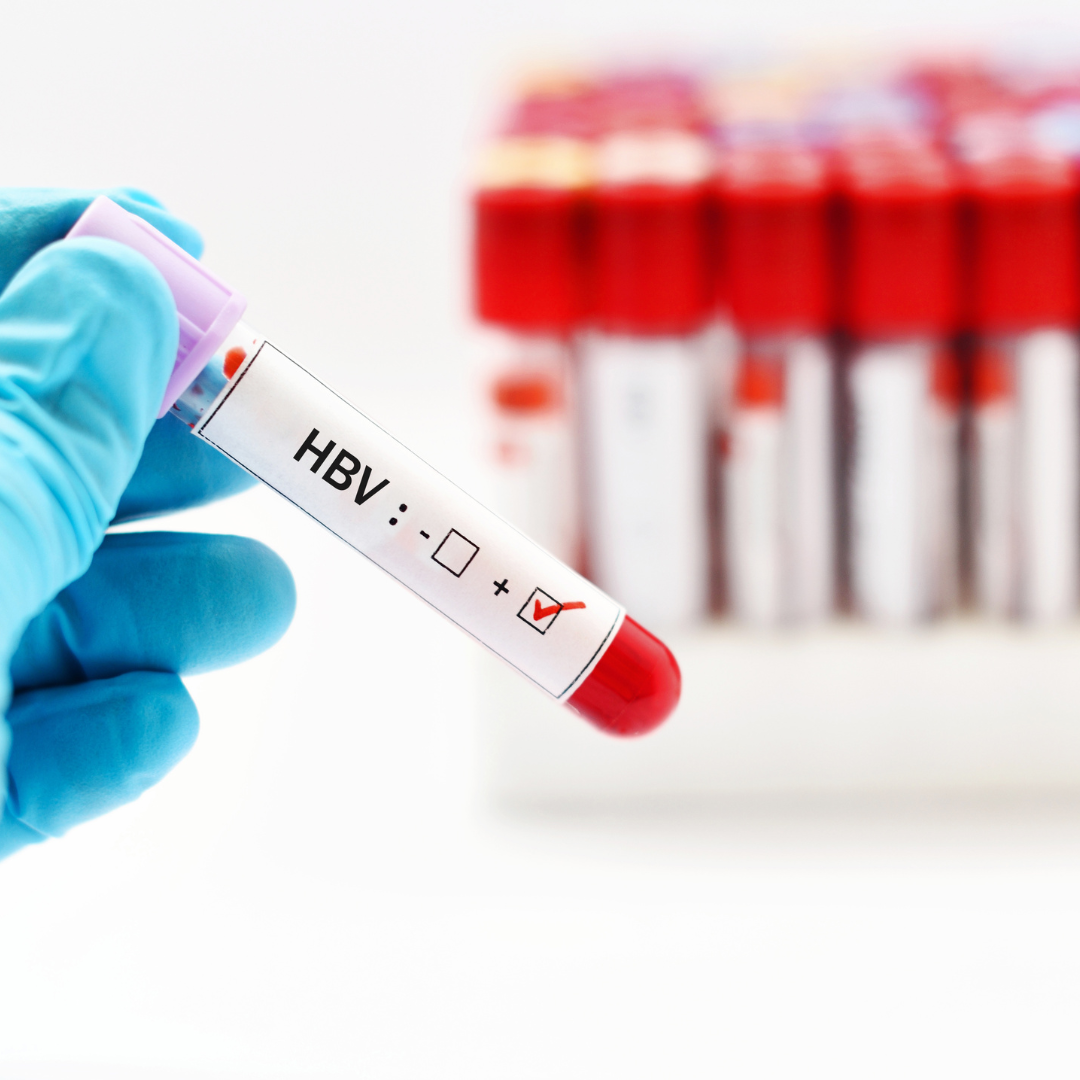
On September 25, 2024, the FDA published a proposed change to the classification rules for several Hepatitis B virus (HBV) in vitro diagnostic medical devices (IVDs). With a comment period of 60 days, the proposed changes encompass:
-
- Reclassification of the following post-amendment Class III devices into Class II devices, and subjecting these devices to the premarket notification (510(k) pathway) instead of pre-market approval (PMA) (i.e. these devices are not proposed by the FDA to be 510(k) exempt):
-
-
- Qualitative HBV antigen assays
-
-
-
- HBV antibody assays (including qualitative and quantitative antibody assays that detect the presence of antibodies to HBV antigens (e.g. antibody assays that detect the presence of antibodies to Hepatitis B surface antigen (anti-HBs), Hepatitis B core antigen (anti-HBc), or HBV antigens (e.g. anti-HBe))
-
-
-
- Quantitative HBV nucleic acid-based assays
-
-
- Proposing the following three new device classification regulations to cover the above-listed HBV as well as special controls for these devices:
-
-
- 21 CFR Part 866.3178 Qualitative HBV antigen assays
-
-
-
- 21 CFR Part 866.3179 HBV antibody assays (including qualitative and quantitative anti-HBs)
-
-
-
- 21 CFR Part 866.3180 HBV nucleic acid-based assays
-
Prescription Labeling Requirements
Under the proposed new device classification regulations HBV IVDs, the FDA is proposing that these devices be prescription IVDs and, as such, must comply with prescription labeling requirements established under 21 CFR Part 809.
These proposed changes are being driven by the FDA’s assessment that there is sufficient data and information available at this time to support the utilization of special controls to mitigate risks related to the intended purpose of these devices, including the risks of (as applicable):
-
- False reactive / non-reactive assay result
-
- Falsely elevated / lowered assay result
-
- False positive / False negative
-
- Failure to correctly interpret the assay result
-
- Failure to correctly operate the device
The proposed special controls for the mitigation of these risks include certain:
-
- Labeling information (e.g. limitations, explanation of procedures, results interpretation information, warnings)
-
- Design verification and validation information (e.g. device description information, critical reagent information, risk analysis strategies, lot release criteria, stability studies and protocols, and performance criteria including analytical and clinical studies)
Feedback and Deadlines
Manufacturers of devices that will be impacted by the proposed changes wishing to provide feedback to the FDA are encouraged to do so in accordance with the instructions provided under the ‘Written/Paper Submissions’ section of the published proposed changes by the November 25, 2024 deadline.
_____________________________________________
If you or your organization have any questions regarding US FDA regulatory support, require a US Agent, or need support in IVD design and development, get in touch.
Learn how MedEnvoy can assist you:
Related Guidance
We share our expertise because we believe in removing barriers to global commercialization.

EU Classification Guidance Updated: Borderline Manual and MDCG 2021-24
The European Commission published two closely related guidance updates that directly affect how medical devices and in vitro diagnostic medical devices are qualified…

The Business Impact of EUDAMED on Market Access
The European Database on Medical Devices (EUDAMED) is often viewed by manufacturers purely as a compliance burden when…

MedEnvoy at RAPS Euro Convergence 2026
We are excited to share that MedEnvoy will be participating in RAPS Euro Convergence 2026 as an exhibitor! This year’s…