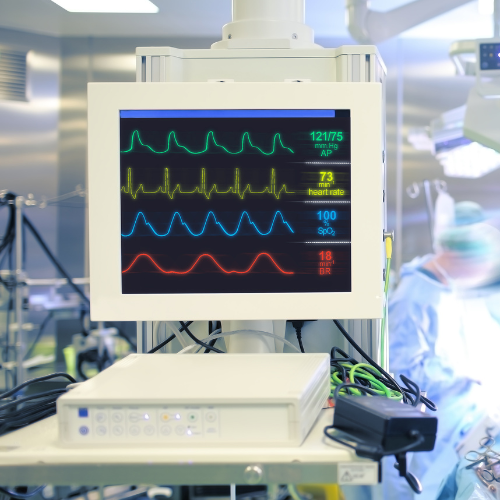
In the ever-evolving landscape of medical technology, ensuring the safety and reliability of medical devices is paramount and even more so in medical device risk management. Manufacturers are not only tasked with developing innovative solutions, but also with adhering to rigorous regulatory standards to guarantee patient well-being.
In this article, we delve into the critical area of medical device management. We will explore the nuances of known and foreseeable hazards in both normal and fault conditions, highlighting the indispensable role of risk controls in hazard mitigation.
Device risk management: normal vs. fault conditions
The journey of a medical device encompasses two main scenarios: normal conditions and fault conditions. Under normal conditions, the device operates as intended, delivering medical benefits seamlessly. Conversely, fault conditions encompass situations where the device experiences malfunctions, errors, or unexpected behavior. It is imperative to address hazards within both scenarios to uphold patient safety and to ensure the device’s performance.
Identification of medical device hazards and risk controls
Medical device hazards are potential sources of harm that could arise during device use. These hazards span design flaws, software glitches, manufacturing defects, user errors, and environmental factors. The foundational step in effective medical device management is identifying these hazards.
Key risk areas and control strategies
Design Hazards: Inherent design flaws can lead to improper dosing, inaccurate readings, or user interface issues. Risk control measures include robust design verification, human factors engineering, and comprehensive failure mode and effects analysis (FMEA).
Software Risks: Modern medical devices heavily rely on software, making software bugs or vulnerabilities critical risks. Rigorous software testing, code reviews, and continuous monitoring serve as pivotal risk control strategies.
Manufacturing and Materials Risks: Substandard components or manufacturing processes can compromise safety and functionality. Vigilant oversight of the manufacturing process, supplier quality management, and thorough material testing act as effective risk controls.
User-Related Hazards: Healthcare professionals and patients can inadvertently introduce errors while using devices. Clearly articulated usage instructions, user-friendly interfaces, and comprehensive training programs are risk control strategies mitigating user-related hazards.
Environmental Influences: External factors like electromagnetic interference, temperature fluctuations, and humidity levels can impact device performance. Employing shielding mechanisms, adequate sealing, and thorough testing under diverse conditions are key risk controls to address environmental hazards.
Ensuring safety through expertise
In the intricate realm of medical device compliance, acquiring expert insights can be a game-changer. Collaborating with seasoned regulatory compliance service providers empowers manufacturers to navigate regulatory intricacies, identify potential hazards, and implement effective risk controls. Such experts possess a wealth of knowledge gained from hands-on experience and a deep understanding of industry standards, ensuring that medical devices not only meet regulatory requirements but also exceed safety expectations. Contact MedEnvoy today to ensure your device meets all regulatory standards and safety requirements.
In conclusion, the pursuit of patient safety within the realm of medical devices requires a comprehensive approach to hazard management. By diligently identifying hazards, establishing robust risk controls, and remaining up to date with regulatory guidelines and industry benchmarks, medical device manufacturers can honor their commitment to both innovation and patient well-being.
Learn more about medical device risk management with MedEnvoy
If you have any questions regarding risk management, or require relevant training/consulting services, get in touch.
Related articles