
From October 7–9, the MedEnvoy team attended RAPS Convergence 2025 in Pittsburgh, joining global leaders, innovators, and policymakers to explore the future of regulatory strategy in the medical device industry.
Our team participated in dynamic sessions focused on compliance trends, emerging technologies, and best practices in regulatory affairs. The event also provided valuable opportunities to strengthen partnerships and build new connections.
MedEnvoy’s presence at RAPS Convergence 2025 reflects our ongoing commitment to regulatory excellence and innovation.
To learn more about MedEnvoy’s services, click here, or reach out to our team directly.
Key Takeaways from RAPS Convergence 2025
Our experts gained timely insights into evolving regulations and industry challenges. Below are highlights expected to influence manufacturers and stakeholders in the months ahead:
Normalizing AI and the EU AI Act
Artificial Intelligence (AI) practices and implementations continue to reshape the regulatory process within the industry. While automation plays a growing role, human expertise remains criticalfor interpreting and complying with regulatory requirements.
Discussions around the EU AI Act emphasized that the Act should be carefully reviewed and assessed to understand how it applies to specific products, especially as AI becomes more integrated into manufacturing and compliance strategies.
Updates on MDR and IVDR Submissions
A proposed legal revision to the Medical Device Regulation (MDR) and In Vitro Diagnostic Regulation (IVDR) was a key topic of discussion. Further details are expected to be released by December. According to the notified bodies present, the revisions are not anticipated to introduce significant changes to the existing legislation.
Importantly, current compliance deadlines are expected to remain in place. The primary objective of the proposed updates is to enhance the efficiency of the evaluation process and reduce associated costs.
Submission Gaps and Challenges in Technical Files
Challenges in regulatory submissions were a recurring theme, with common issues including incomplete documentation, lack of clarity, inconsistencies across documents, and insufficient evidence to support testing data. Given the complexity and interdependence of submission components, these gaps pose significant risks to the overall integrity of the technical file.
To mitigate these risks, experts emphasized the importance of cross-functional collaboration and comprehensive internal reviews. Departments should work together rather than in isolation to ensure consistency and completeness. Most importantly, teams should follow a detailed checklist and adhere to best practices outlined by notified bodies before initiating the submission process.
CE Certificate Recertification Cycle
Discussions focused on re-evaluating the CE certificate recertification cycle for established technologies, with consideration given to extending it beyond the current five-year standard. Participants questioned whether frequent reviews are necessary for devices that have demonstrated long-term safety and performance in the market.
Another key topic was the potential expansion of the definition of “established technology.” This is important, as it directly influences how conformity assessments are conducted, the criteria for CE mark renewal, and the scope of review performed by notified bodies.
RAPS Convergence 2025 with MedEnvoy
If you have any further questions or would like to explore these topics in more detail, please do not hesitate to contact us. We are here to provide guidance and expertise in this ever-evolving regulatory landscape.
Related Guidance
We share our expertise because we believe in removing barriers to global commercialization.

Swissmedic Launches 2026 PMS Focus Campaign for Higher-Risk Medical Devices
Swissmedic has issued a formal information letter announcing that it will conduct a focus campaign in 2026 reviewing post-market…

TGA Clarifies Exclusion for Digital Mental Health Software
The Australian Therapeutic Goods Administration (TGA) published guidance on 16 March 2026 clarifying when software products intended to…
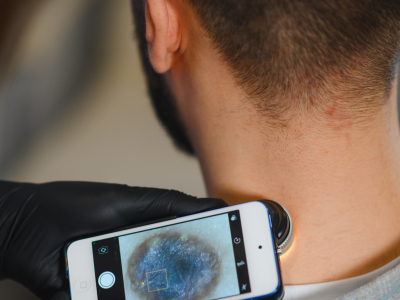
FDA Reclassifies Two Skin Cancer Diagnostic Devices
The Food and Drug Administration (FDA) issued a final order on March 25, 2026 reclassifying two types of skin-cancer-related…