UK Government Confirms Indefinite Recognition of CEMarked Medical Devices in Great Britain
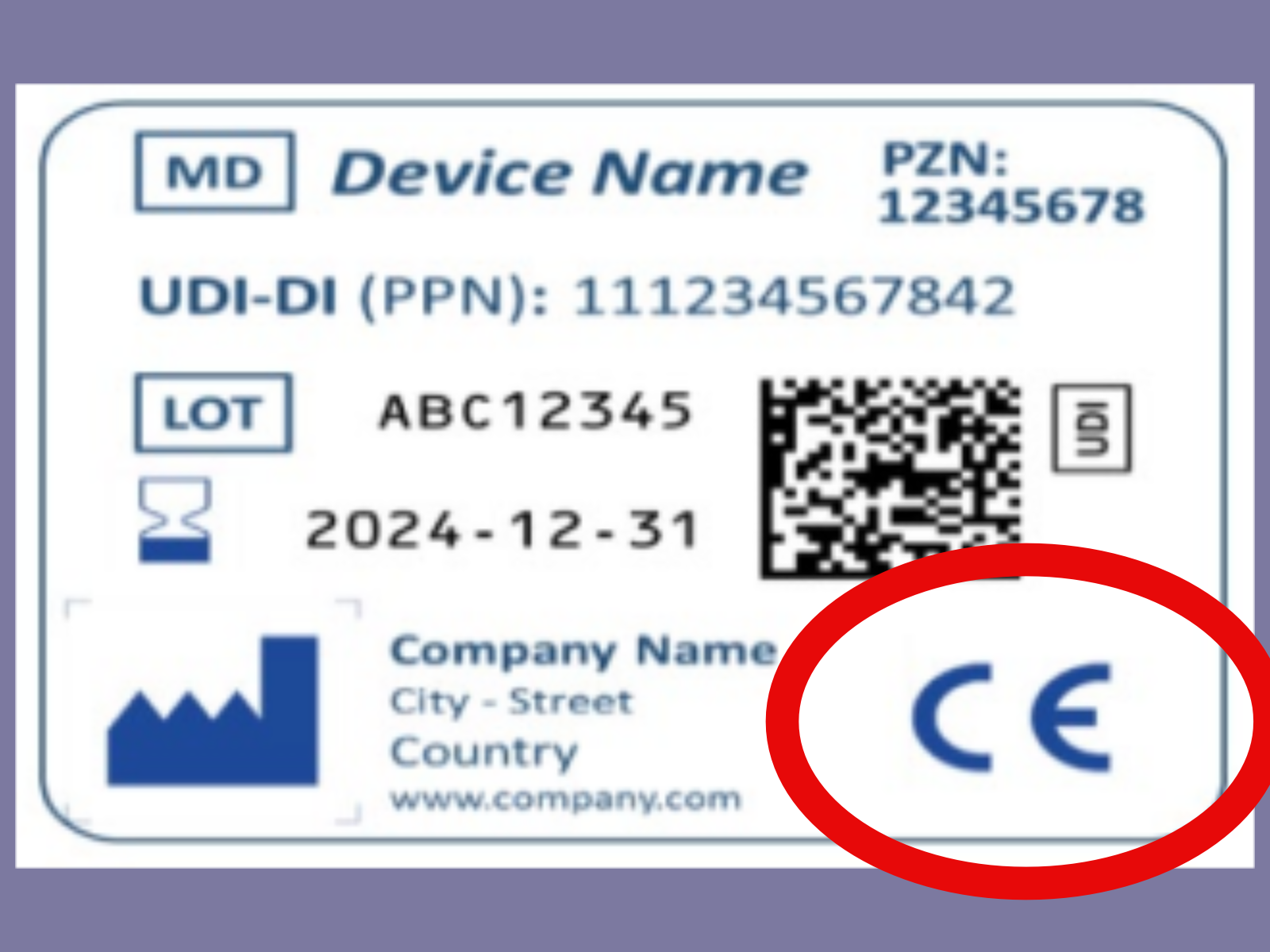
On 21 October 2026, the UK government published its response to the MHRA’s targeted consultation and confirmed that it intends to indefinitely recognize CE marked medical devices and in vitro diagnostic medical devices (IVDs) certified under the EU MDR and IVDR on the Great Britain (GB) market. Devices approved under the Medical Device Directive (MDD) will be accepted until the end of the EU transition period. This replaces the current time-limited arrangement, under which EU MDR and IVDR devices may be placed on the GB market until 30 June 2030 at the latest. Read the Government response to the targeted consultation on indefinite recognition of CE marked medical devices and the accompanying government press release.
Background
After the UK left the EU, the government amended the UK Medical Devices Regulations 2002 (MDR 2002) to accept CE marked devices on the GB market under time-limited transitional arrangements. Under the current rules, general medical devices approved under the MDD may be placed on the GB market until 30 June 2028, subject to meeting the requirements in Regulation 19B, or until 31 December 2027 for Class III and Class IIb implantable devices other than certain Well Established Technologies (WET) devices. After these dates, they must comply with the EU MDR or undergo UKCA conformity assessment. Devices approved under the EU MDR or IVDR may be placed on the GB market until 30 June 2030 at the latest (Regulations 19C and 44ZB), after which UKCA conformity assessment would be required.
The EU has extended the timelines for certain devices to transition from the MDD to the EU MDR until 31 December 2028. This would have left a six-month gap in which some devices approved in the EU could not access the GB market. The consultation paper sets out the current EU and GB timelines for MDD devices by device class.
The MHRA ran the targeted consultation from 16 February to 10 April 2026 and received 1,056 responses from a wide range of stakeholders. It followed the 2024 to 2025 consultation on international reliance, UKCA marking and IVD devices, in which a recurring request was the indefinite recognition of CE marked devices. The consultation set out three proposals: aligning GB timelines for MDD devices with the EU; indefinitely recognizing EU MDR and IVDR devices, either for all devices (Proposal 2a) or only those classified the same or lower under MDR 2002 (Proposal 2b); and an international reliance route for devices classified higher in GB than in the EU (Proposal 3).
Key Points
- Indefinite recognition of EU MDR and IVDR devices: The government intends to take forward Proposal 2a and indefinitely recognize all CE marked devices certified under the EU MDR and IVDR, maintaining the requirements in Regulations 19C, 30A, and 44ZB of MDR 2002.
- No separate route based on classification: The government does not intend to take forward Proposals 2b and 3, which together would have introduced a separate reliance route based on divergent classification.
- MDD devices aligned with EU timelines: MDD devices will be accepted until the end of the EU transition period, which the response states is currently 31 December 2028, maintaining the requirements in Regulation 19B. MDD devices placed compliantly on the EU or GB market before the end of the EU transitional arrangements will continue to be allowed on the GB market, mirroring the EU approach.
- Combination products: For combination products regulated as medical devices under MDR 2002, including devices incorporating an ancillary medicinal substance, the device component remains eligible for market access under Proposal 2a. Certain requirements under the Human Medicines Regulations 2012 may still apply.
- Legal status and timing: The MHRA will introduce legislative changes that reflect Proposals 1 and 2a. Subject to parliamentary approval, these legislative changes will be made before the end of the earliest relevant transition period, which is 30 June 2028. This date relates to the MDD devices covered by Proposal 1. Class III and Class IIb implantable devices certified under the MDD, other than certain Well Established Technologies (WET) devices, already have an end date of 31 December 2027 in both the EU and GB, as set out in the consultation paper.
- What does not change: Manufacturers of CE marked devices placed on the GB market must continue to meet GB requirements, including appointing a UK Responsible Person (for manufacturers based outside the UK), registering devices with the MHRA, complying with the strengthened post-market surveillance requirements that came into force in June 2025, preparing and making available the technical documentation and certificate of conformity in English, and complying with enforcement notices under the Medicines and Medical Devices Act 2021. The MHRA remains responsible for monitoring the safety of all medical devices in the UK, regardless of their route to market.
- UKCA marking: The UKCA mark remains available as a route to market alongside continued CE recognition. The government is also preparing pre-market legislation for UKCA marked devices, with measures to improve the traceability of implanted devices, including UDI and implant cards, and to increase the classification of implantable devices.
- Scope: The approach applies to Great Britain (England, Scotland, and Wales). Northern Ireland continues to follow its own arrangements under the Windsor Framework. The government notes that indefinite recognition in GB supports supply to Northern Ireland by allowing manufacturers to place the same product on the UK-wide market.
MedEnvoy’s Perspective
The government chose the broadest of the options consulted on. By recognizing all EU MDR and IVDR devices regardless of GB classification, it avoids a separate route for devices classified higher in GB. In line with the press release, the UK will not require an additional approval route for devices already approved for the EU market. Once the legislation is in place, manufacturers of EU MDR and IVDR certified devices will not need to move to UKCA marking to keep those devices on the GB market.
Recognition does not remove GB obligations. The government response points to GB controls as the safeguards for recognition: the June 2025 PMS requirements, UK Responsible Person, MHRA registration, and the MHRA’s enforcement powers. The MHRA also intends to consider how market surveillance, compliance, and enforcement can be further optimized. In our view, manufacturers should expect scrutiny of CE marked devices to come through post-market channels, and two areas deserve attention now: GB vigilance and PMS reporting, which runs in parallel with EU reporting, and the requirement for technical documentation and the certificate of conformity to be prepared and made available in English.
Because GB market access will rely on EU certification, EU risks become GB risks. Certificate status, notified body capacity, and EU transition conditions will directly affect GB market access. For MDD devices, the response links the GB date to the end of the EU transition period and describes 31 December 2028 as the current date. How any future change to EU timelines would apply in GB will depend on the wording of the amending legislation.
What This Means for Manufacturers
- Review your GB strategy: If you planned a UKCA transition only to meet the 30 June 2030 date, reassess whether it is still needed once the legislation is made.
- Confirm your UK Responsible Person and registrations: Make sure your UK Responsible Person appointment is current and that all devices placed on the GB market are registered with the MHRA.
- Check English-language documentation: Confirm that your technical documentation and certificates of conformity are prepared and available in English.
- Maintain GB PMS and vigilance: Verify that your PMS system covers the GB requirements in force since June 2025, including serious incident reporting to the MHRA.
- Track your EU certification closely: Treat EU certificate status, notified body timelines, and MDD transition conditions as GB market access risks, and keep your UK Responsible Person informed of changes.
How MedEnvoy Can Support
MedEnvoy shares this update as part of its regulatory intelligence service, which monitors changes affecting market access, registration, and post-market obligations across the EU, UK, Switzerland, and other markets. Indefinite CE recognition simplifies GB market access, but UK representation, registration, and post-market obligations remain in place.
As your UK Responsible Person and EU Authorized Representative, MedEnvoy can help you review your GB portfolio, maintain MHRA registrations, coordinate EU and GB vigilance, and confirm that your documentation meets GB requirements. To discuss your GB market strategy, contact us here.
Related Guidance
We share our expertise because we believe in removing barriers to global commercialization.

Webinar | IVDD to IVDR: Mind the Gap Before You Apply
DNV and MedEnvoy present a one-hour webinar on 9 December 2026 on the IVDD to IVDR transition for Class B and Class A sterile IVD manufacturers preparing for the 2027 milestones.

How Much Does It Cost to Register a Medical Device with the FDA in 2027?
FDA fees for medical device registration depend on classification. The FY 2027 annual establishment registration fee is $13,785, plus pathway fees for 510(k), De Novo, and PMA submissions.

AI at RAPS 2026: Where Regulators and Industry Agree. Recap with Rocio Fallas
AI was among the most discussed topics at RAPS Convergence 2026. Rocio Fallas shares her impression of where regulators and industry agree, and what manufacturers should prepare for in 2027.