Most Class III medical devices require Premarket Approval (PMA), the FDA’s most demanding regulatory pathway. Even if your Class III device has a predicate, you must build a case from scratch that your device is effective and that its benefits outweigh its risks.
PMAs often require large-scale, multi-center clinical trials on human subjects, which are expensive and time-consuming. The review process is also lengthy: it includes a panel review, in which an independent advisory committee scrutinizes clinical and safety data, and may interview clinical experts from your company. FDA will also conduct on-site facility inspections to ensure appropriate QMS scope and compliance. The applications themselves are massive documents, requiring thorough data and meticulous documentation.
Since this process is so complicated, you may need the help of an expert to guide you through and make sure that your medical device meets every level of regulatory standards to ensure compliance.
When it comes to seeking premarket approval, the FDA regulatory consultants at MedEnvoy Global have decades of experience navigating the regulatory complexities of the FDA approval process. We have experience with over 10,000 medical devices, and we can provide guidance to ensure the effectiveness, safety, and successful market entry of your medical devices.
What Devices Need Premarket Approval?
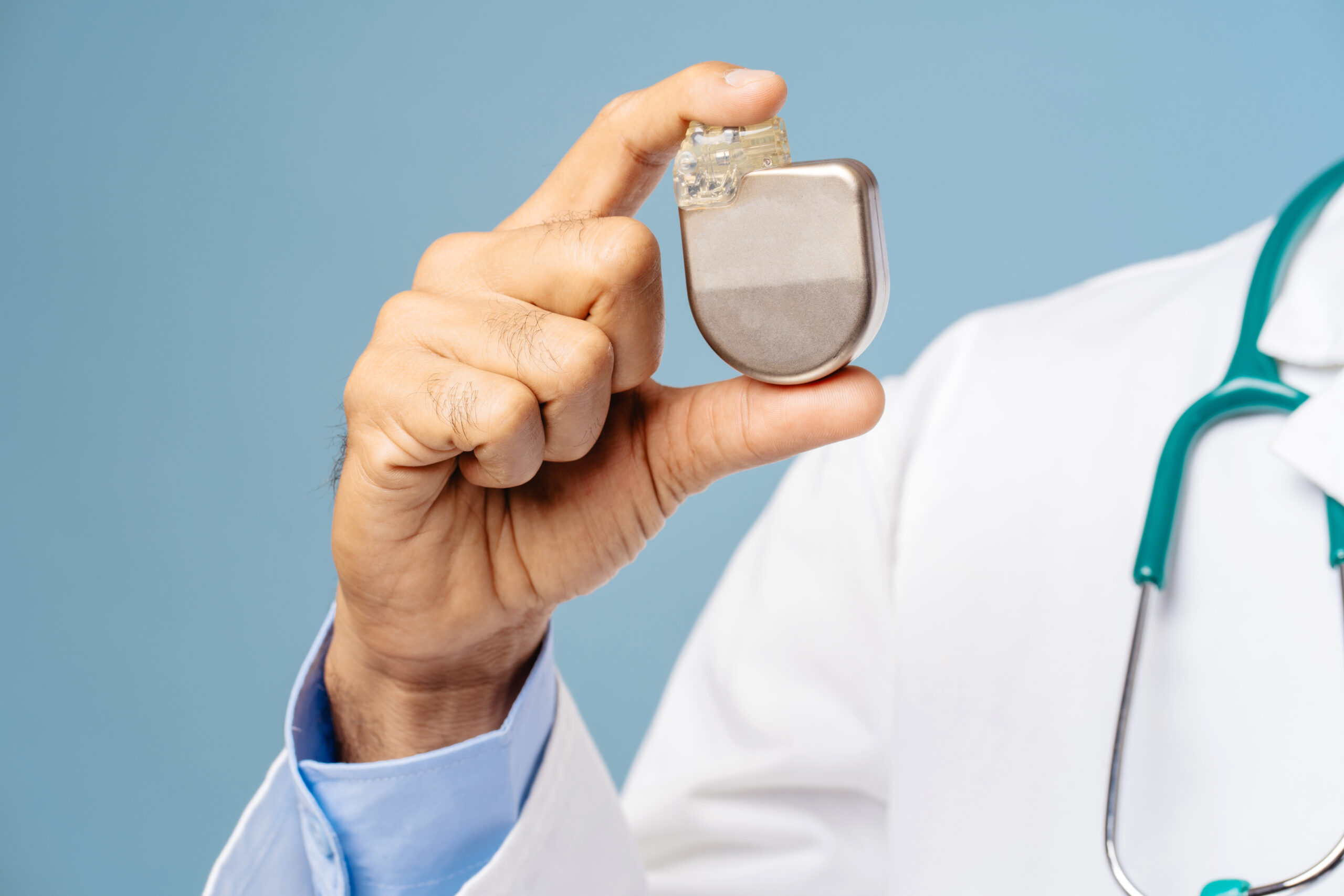
Generally, all Class III devices need premarket approval. Class III devices have life-saving potential, as well as high risk potential if something goes wrong, such as:
- Pacemakers
- Artificial heart valves
- Breast implants
- Cochlear implants
- Renal and vascular stents
Even if there is a predicate device similar to yours already on the market, you will still need to go through the premarket approval process if you have a Class III device. At MedEnvoy Global, we can help you determine if your device has to go through the rigorous PMA process.
Clinical and Nonclinical Trials
Trials are arguably the most essential component of premarket approval. The FDA will be closely reviewing non-clinical laboratory studies and clinical investigations with a close eye on the manner in which they were conducted and the consistency of the data. The quality of your data and the design of your study will play a significant role in whether the FDA approves your device.
Your lab and animal studies must follow FDA Good Laboratory Practice (GLP) Regulations as outlined under 21 CFR Part 58. Your human trials must adhere to Good Clinical Practice (GCP) protocols.
Since this data is the centerpiece of your application, your studies need to be rock solid. Make sure you’re using state-of-the-art clinical data collection and management tools. Otherwise, you could risk failure to comply with 21 CFR Part 11 regulations. If you don’t collect, manage, and organize your data correctly, your application will likely not be accepted.
At MedEnvoy Global, we have decades of experience making sure that trials and studies meet the FDA’s premarket approval standards, and we can walk you through the process end-to-end. This means we can help design and conduct trials that adhere to GLP and GCP protocols, compile documentation, analyze your data, and summarize the findings that bolster the safety and efficacy of your device.
Applying for Premarket Approval
The applicant must comply with regulations outlined in 21 CFR part 814.20. When your application is ready, you will submit it to the FDA Document Control Center.
The application must be submitted in an electronic format (eCopy), and it must contain a signed, printed cover letter. In addition, your application must include:
- A table of contents
- Summary of studies, including:
- Non-clinical laboratory studies
- Clinical investigation results involving human subjects
- Conclusions from the studies
- Indications for use
- A description of the device
- Alternative practices and procedures
- Marketing history of the device, including in other countries and by other persons
- Manufacturing process controls, including packaging and storage
- Specifications for device design
- Samples of the device, if requested by the FDA
- Examples of proposed labeling
- Information about use in pediatric patients, if applicable
This is far from a complete list of everything required to include in a PMA application. Different devices require different information. The FDA regulatory specialists at MedEnvoy Global can verify that your documentation is up to FDA standards and even communicate with the FDA before submitting the application to make sure you are not missing any essential details.
Stages of Premarket Approval
After you apply, there are four main stages of the FDA premarket approval process:
- Acceptance and filing review – This initial review determines whether the submission meets the minimum acceptable requirements to be filed. If not, the FDA will inform the manufacturers of the refusal to file, and the manufacturer has the option to resubmit or request an informal meeting to discuss what changes need to be made.
- Substantive review – This in-depth review occurs after the application is filed. This could last up to 180 days, and the FDA may communicate with the manufacturer throughout regarding any discrepancies
- Advisory panel review – A review by independent experts occurs for devices considered to be the first of their kind. These experts do not work at the FDA. After their review, they will submit recommendations to the FDA.
- Final decision – The FDA will review findings from the advisory panel and issue one of four letters: approval, approvable, not approvable, or denied approval. “Approvable” means the FDA wants additional information. “Not approvable” means the device has deficiencies that prevent an approval at this stage. A denial indicates that the application does not comply with regulations or contains false statements. A denial could also occur if the manufacturer refuses to allow the FDA to investigate facilities or commits an ethics violation.
Common Mistakes and Pitfalls
Since the FDA premarket approval process is so complex, it’s easy to make mistakes that delay or derail your approval. Some of the most common and avoidable mistakes that we see include:
- Being careless with your QMS. Your QMS needs to be built into the process from the beginning, rather than something you tack on at the end. You need to build your data on a solid foundation if you want an FDA approval.
- Weak studies. If you are using too small a sample size or failing to track patients long enough to ascertain meaningful information, the FDA will not feel confident in approving your device.
- Inconsistent information. The FDA will be reviewing your application closely. If you are tracking in Fahrenheit in one section and Celsius in another, for example, this will count against you.
- Skimming on the trial details. The FDA wants every detail about the participants, the adverse events, and the complete list of protocols. Don’t try to summarize and skim over anything. Submit the raw data.
- Not being ready for the inspection. When the FDA shows up to inspect your facility, make sure everything is in order.
To quote the FDA:
PMA applications that are incomplete, inaccurate, inconsistent, omit critical information, and poorly organized have resulted in delays in approval or denial of those applications.
How Can MedEnvoy Global Help
The premarket approval process is a notoriously difficult path to walk. At MedEnvoy Global, we can help make the journey as smooth as possible by:
- Making sure PMA is the appropriate pathway for your device
- Establishing quality systems from the beginning to meet FDA requirements
- Interacting with the FDA to make sure your device is on track
- Providing guidance when designing and conducting trials
- Reviewing and compiling all of your documentation to create a comprehensive submission package
- Providing ongoing support post-approval to maintain compliance throughout the product’s life cycle.
Ready to get started? Schedule a consultation with our regulatory experts today to learn more
Related Guidance
We share our expertise because we believe in removing barriers to global commercialization.

Webinar | IVDD to IVDR: Mind the Gap Before You Apply
DNV and MedEnvoy present a one-hour webinar on 9 December 2026 on the IVDD to IVDR transition for Class B and Class A sterile IVD manufacturers preparing for the 2027 milestones.

How Much Does It Cost to Register a Medical Device with the FDA in 2027?
FDA fees for medical device registration depend on classification. The FY 2027 annual establishment registration fee is $13,785, plus pathway fees for 510(k), De Novo, and PMA submissions.

AI at RAPS 2026: Where Regulators and Industry Agree. Recap with Rocio Fallas
AI was among the most discussed topics at RAPS Convergence 2026. Rocio Fallas shares her impression of where regulators and industry agree, and what manufacturers should prepare for in 2027.