Medical device testing for European market entry requires comprehensive evaluation across multiple domains under the EU Medical Device Regulation (MDR). Testing requirements vary by device classification and risk level, encompassing biocompatibility studies, electrical safety assessments, mechanical testing, software validation, and clinical evaluation. The specific testing pathway depends on your device’s conformity assessment route and classification.
What Types of Testing Do Medical Devices Need for European Market Entry?
Medical devices entering the European market must undergo several critical testing categories under EU MDR requirements. The specific testing requirements depend on your device classification (Class I, IIa, IIb, or III) and intended use, with higher-risk devices requiring more extensive testing protocols. Understanding these requirements is essential for planning your market entry strategy effectively.
- Biocompatibility testing – Evaluates how your device interacts with biological systems, including cytotoxicity, sensitization, and irritation studies, with additional requirements for implantable devices covering genotoxicity and hemocompatibility
- Electrical safety assessments – Required for all powered medical devices, encompassing insulation resistance, leakage current measurements, and electromagnetic compatibility (EMC) testing to ensure protection against electrical hazards
- Mechanical testing – Evaluates device durability, performance under stress, and safety margins through fatigue testing, material performance validation, and assessment under expected use conditions
- Software validation – Critical for devices with embedded software or software medical devices, requiring verification of safety functions, performance parameters, and cybersecurity measures
- Clinical evaluation – Systematic assessment of clinical data to demonstrate safety and performance, either through existing literature, post-market data, or new clinical investigations
These testing requirements work together to provide comprehensive evidence of device safety and performance. The scope and depth of testing expand significantly for higher-risk classifications, with Class III devices requiring the most extensive protocols. Proper planning across all testing domains ensures efficient regulatory approval while maintaining patient safety standards throughout the device lifecycle.
How Does the Clinical Evaluation Process Work for Medical Devices in Europe?
Clinical evaluation under the EU MDR requires systematic assessment of clinical data to demonstrate safety and performance throughout the device lifecycle. The process involves multiple pathways and ongoing obligations that manufacturers must carefully navigate to achieve and maintain compliance.
- Clinical evaluation planning – Define evaluation criteria based on device intended purpose and risk classification, establishing the framework for data collection and analysis
- Literature-based evaluation – Leverage existing clinical data through comprehensive literature reviews when equivalent devices have sufficient published evidence, requiring detailed technical, biological, and clinical equivalence demonstrations
- Clinical investigations – Conduct new clinical studies when existing data is insufficient, particularly for novel devices, higher-risk classifications, or devices without adequate predicate data, following Good Clinical Practice guidelines
- Post-market clinical follow-up (PMCF) – Implement continuous surveillance to identify previously unknown risks and confirm long-term safety and performance throughout the device lifecycle
- Clinical Evaluation Report updates – Regularly update documentation whenever new relevant clinical data becomes available to maintain CE marking validity
The clinical evaluation process represents a continuous commitment rather than a one-time requirement. Manufacturers must establish robust systems for ongoing data collection and analysis, ensuring their clinical evidence remains current and comprehensive. This systematic approach to clinical evaluation forms the foundation for demonstrating device safety and effectiveness while supporting long-term market access in Europe.
What’s the Difference Between Conformity Assessment Routes for Medical Device Testing?
Conformity assessment procedures vary significantly by device classification, determining the level of notified body involvement and specific documentation requirements for CE marking approval. Understanding these pathways is crucial for planning your testing strategy and regulatory timeline.
- Class I self-declaration – Manufacturers prepare technical documentation and maintain appropriate quality management systems without notified body involvement, except for sterile devices, measuring devices, or reusable surgical instruments
- Annex IX assessment – Required for most Class IIa, IIb, and III devices, involving notified body review of technical documentation, quality management system assessment, and periodic surveillance audits
- Annex XI quality assurance – Alternative route focusing on production quality assurance systems, allowing manufacturers to demonstrate conformity through comprehensive manufacturing controls and quality processes
- Annex X clinical evaluation – Specialized route for clinical investigations and clinical evaluation documentation, particularly relevant for devices requiring extensive clinical data
- Class III comprehensive assessment – Mandatory extensive notified body involvement including detailed design review, manufacturing process evaluation, clinical evidence assessment, and ongoing surveillance
Each conformity assessment route establishes different testing documentation requirements and notified body interaction levels. Higher-risk devices require more comprehensive assessment procedures, resulting in longer timelines but ensuring thorough safety evaluation. Selecting the appropriate conformity assessment pathway early in development helps optimize testing strategies and resource allocation for efficient market entry.
How Long Do Medical Device Testing and Certification Take in Europe?
Medical device testing and certification timelines vary significantly based on device classification, testing complexity, and regulatory pathway requirements. Understanding these timeframes helps manufacturers plan market entry strategies and allocate resources effectively for European market access.
- Class I devices – Typically require 6-12 months for testing and certification, with shorter timelines possible for simple devices without sterile or measuring functions
- Class IIa devices – Generally need 12-18 months including 3-6 months for notified body review, depending on device complexity and clinical data requirements
- Class IIb devices – Usually require 15-24 months with more extensive testing protocols and longer notified body assessment periods
- Class III devices – Often take 18-36 months due to comprehensive clinical evaluation requirements and extensive notified body review processes
- Acceleration factors – Pre-submission consultations, parallel testing execution, thorough clinical evaluation preparation, and experienced regulatory support can significantly reduce overall timelines
Several factors can significantly impact these baseline timelines, both positively and negatively. Incomplete submissions, novel device technologies, or limited clinical data can extend certification periods by many months. Conversely, well-planned testing strategies, early notified body engagement, and comprehensive regulatory preparation can optimize timelines. Working with experienced regulatory partners who understand EU MDR requirements helps avoid common delays and ensures efficient progression through testing and certification phases.
How MedEnvoy Global Helps with Medical Device Testing and Certification
Successfully navigating European medical device testing requirements demands careful planning, appropriate resource allocation, and a deep understanding of MDR compliance pathways. The complexity of testing requirements, conformity assessment routes, and certification timelines makes expert guidance valuable for efficient market entry. MedEnvoy Global provides comprehensive solutions to streamline your European market access through:
- Expert regulatory guidance – Navigate the entire testing and certification process with experienced professionals who understand EU MDR requirements and industry best practices
- Strategic timeline optimization – Develop coordinated testing plans that minimize time to market through parallel execution and efficient resource allocation
- Technical documentation support – Ensure complete, high-quality submissions that meet regulatory standards and avoid costly delays from incomplete or inadequate documentation
- Notified body liaison services – Facilitate smooth communication and review processes with experienced professionals who understand notified body expectations and requirements
- Complete In-Country Representation – Maintain ongoing compliance with comprehensive support services that ensure continued market access and regulatory obligations
Our experienced team ensures your testing and certification processes align with regulatory requirements while minimizing disruption to your operations and maximizing efficiency throughout your European market entry journey. Contact MedEnvoy Global today to accelerate your European medical device market entry with confidence.
Related Guidance
We share our expertise because we believe in removing barriers to global commercialization.

Swissmedic Launches 2026 PMS Focus Campaign for Higher-Risk Medical Devices
Swissmedic has issued a formal information letter announcing that it will conduct a focus campaign in 2026 reviewing…

TGA Clarifies Exclusion for Digital Mental Health Software
The Australian Therapeutic Goods Administration (TGA) published guidance on 16 March 2026 clarifying when software products intended…
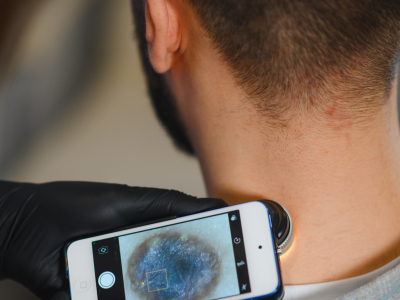
FDA Reclassifies Two Skin Cancer Diagnostic Devices
The Food and Drug Administration (FDA) issued a final order on March 25, 2026 reclassifying two types of…